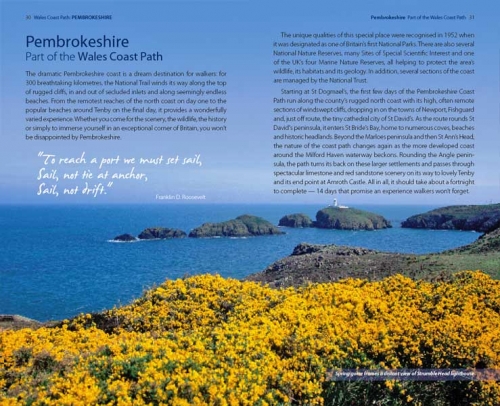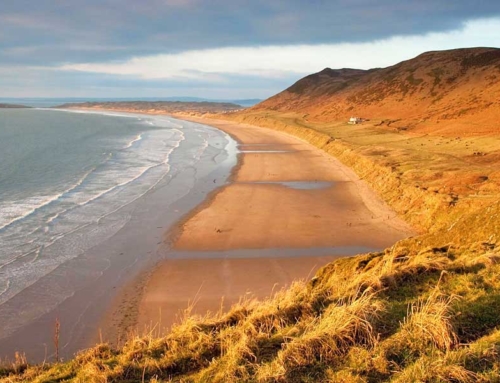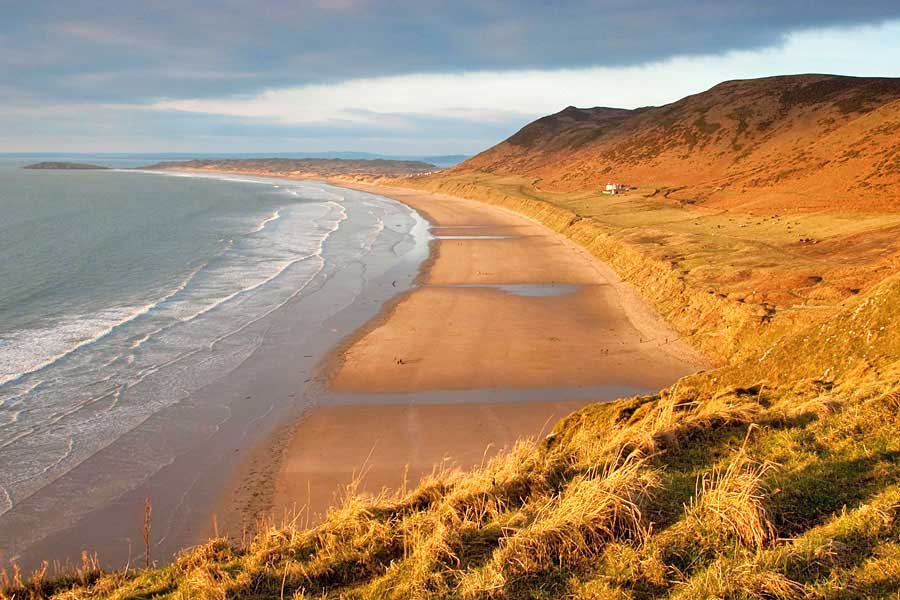
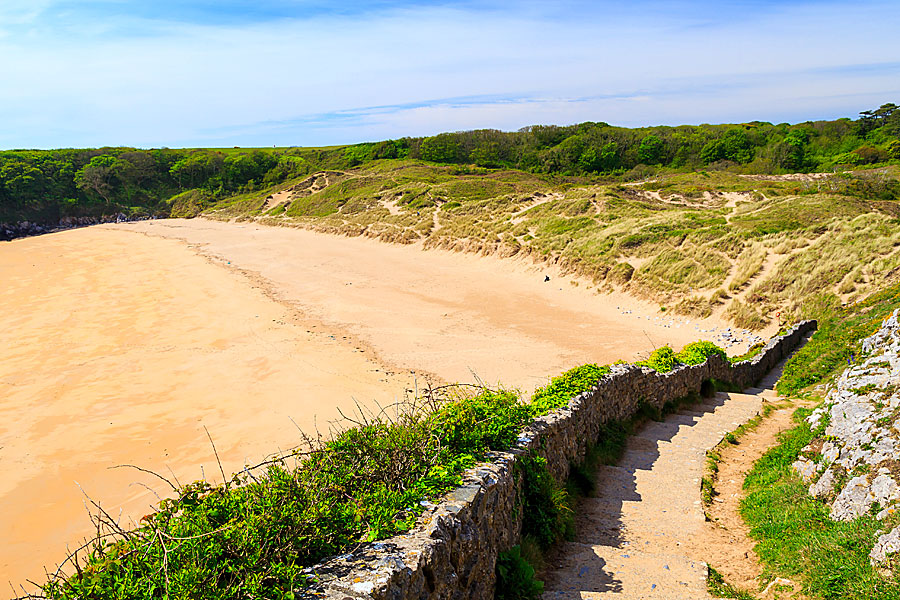
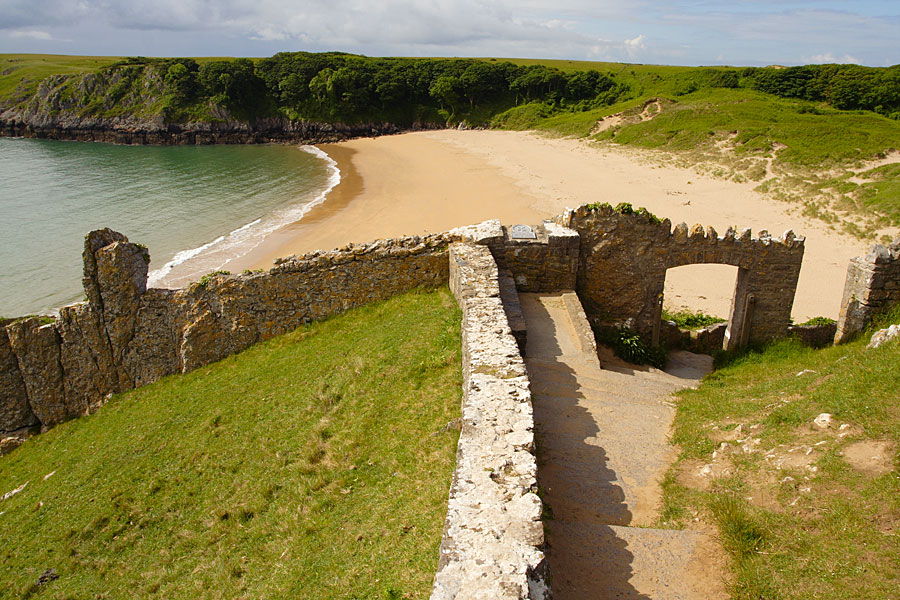
Pembrokeshire’s Barafundle Bay regularly wins awards for the best beach in Wales
Tony Bowerman delights in the Pembrokeshire Coastal Path’s 186-mile National Trail
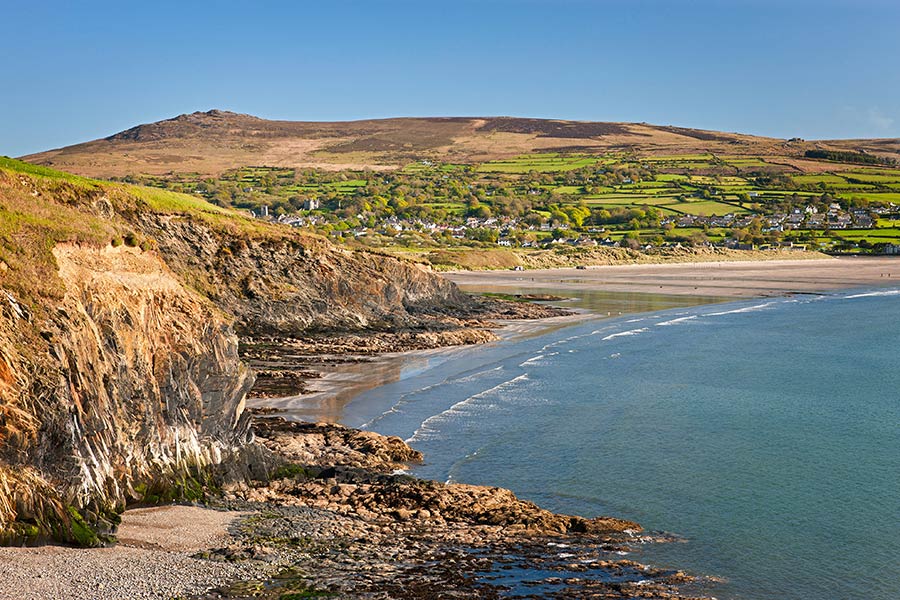
THE PEMBROKESHIRE COASTAL PATH is one of Britain’s great walking routes: 186 miles/300km of cliffs, coves, beaches and harbour towns, forming part of the wider Wales Coast Path. It runs through Pembrokeshire Coast National Park, the UK’s only truly coastal national park, and takes around 10 to 15 days to complete at a leisurely pace.
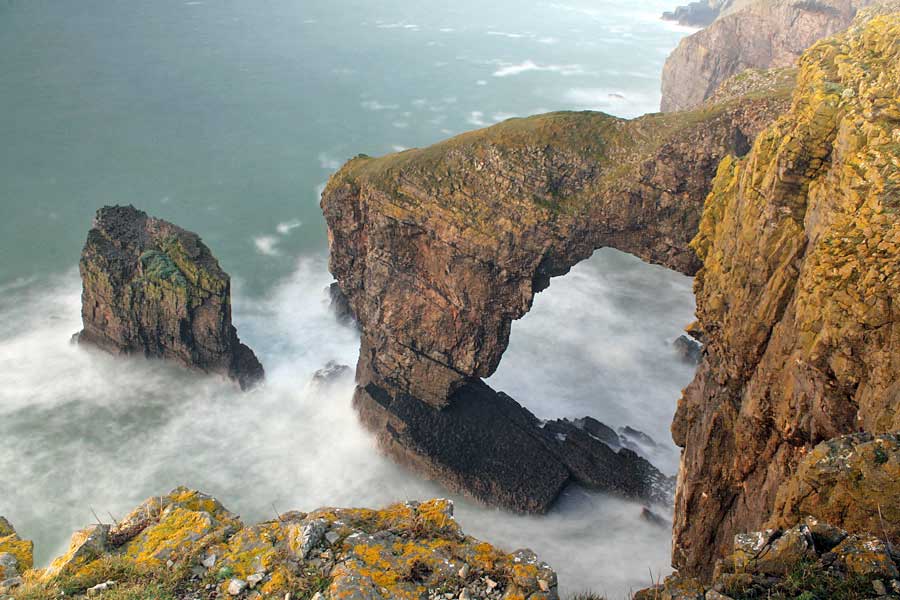
What makes the Pembrokeshire Coastline Path special is its sheer variety. It’s known for big scenery rather than technical difficulty, though the repeated steep climbs and descents make it physically demanding. In the morning you may be above dramatic, sea-battered Atlantic headlands; by the afternoon you could be in a sheltered fishing village, visiting a castle, or strolling along a sandy beach with seals singing offshore.
Unmissable Pembrokeshire
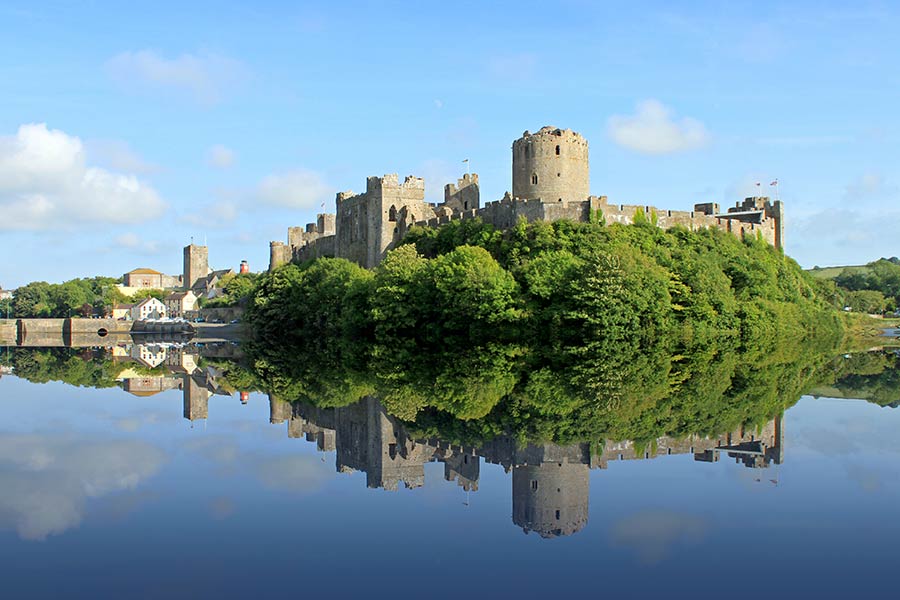
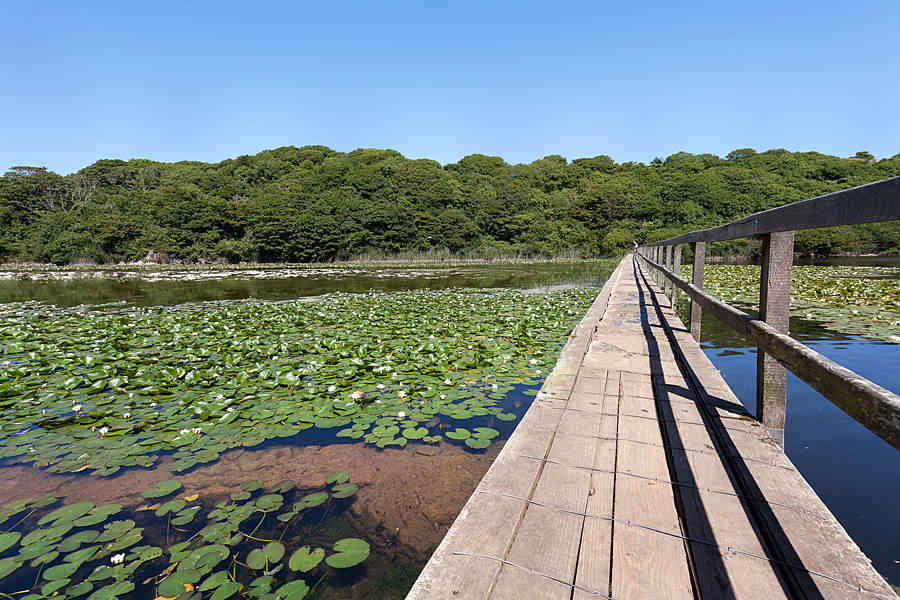
If you only remember a handful of names, make them these: Tenby, Pembroke, St Davids, Solva, Porthgain, Barafundle Bay, Bosherston Lily Ponds, Marloes Sands, Whitesands Bay and Strumble Head. The route also passes more than fifty beaches – large and small, over 40 Iron Age promontory forts, plus castles, ancient churches and historic ports.
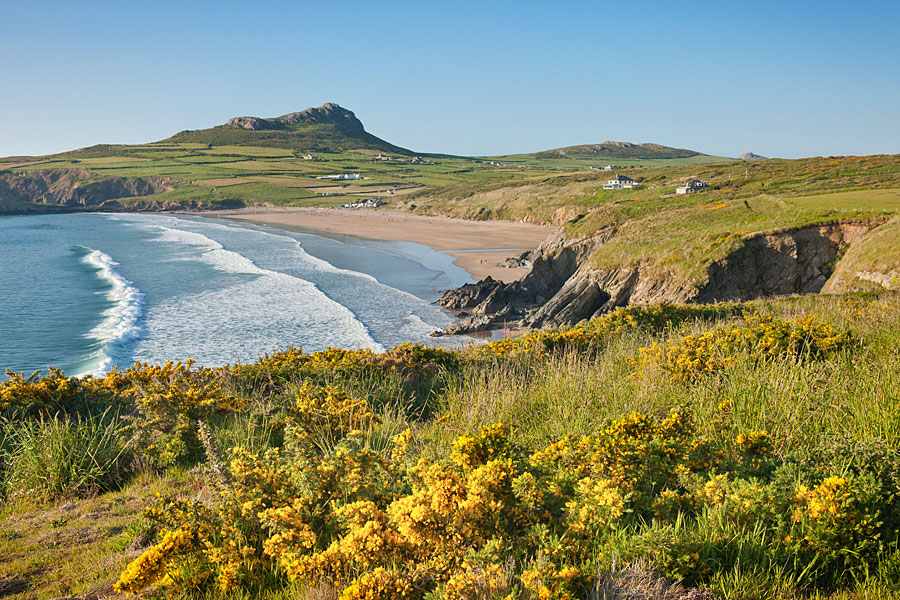
For scenery, the National Trust’s Barafundle Bay is a standout for its sheltered sweep of unspoilt sand, while Marloes Sands and the headlands near Dale deliver some of the path’s most dramatic cliff walking. Near St Davids, Whitesands Bay and the views towards Ramsey Island are especially memorable, while Bosherston Lily Ponds add a quieter, inland contrast
Overnight stays in Pembrokeshire
The best place to stay depends on how you want to walk. Tenby, St Davids, Solva, Pembroke and Fishguard work well as bases with a wider choice of hotels, guesthouses and cottages, while smaller places such as Porthgain, Dale, Marloes and Angle suit walkers looking for a more remote feel.
If you are doing the path in stages, overnighting in harbour towns makes logistics easier and gives you more choice for dinner and breakfast. In quieter stretches, it is worth booking ahead because accommodation can be limited, especially in summer.
If you only remember a handful of names, make them these: Tenby, Pembroke, St Davids, Solva, Porthgain, Barafundle Bay, Bosherston Lily Ponds, Marloes Sands, Whitesands Bay and Strumble Head.
Coastal Pembrokeshire
The Pembrokeshire Coastal Path is ideal if you want a walk that combines big scenery with easy access to culture, food and history.
The best times of year to do the walk are spring through early autumn, with many walkers favoring April to June and September to October for comfortable conditions. June to August has the most daylight and can be excellent for walking and camping, but it is also the busiest period
You can tackle the full route or simply choose shorter sections, and the path’s transport links and seasonal buses make point-to-point walking possible.

Tony Bowerman
This article is published here for the first time with the author’s permission. Copyright © Tony Bowerman 2026. All rights reserved.
Tony Bowerman is a director of Northern Eye Books Ltd, and loves nature and the outdoors. At one time he contributed articles to several national newspapers and magazines. He later worked as an ‘interpretation consultant’ for clients such as the National Trust, Welsh Water, County Councils and Wildlife Trusts. He is a member of the Outdoor Writers and Photographers Guild.
Contact: tony@northerneyebooks.co.uk
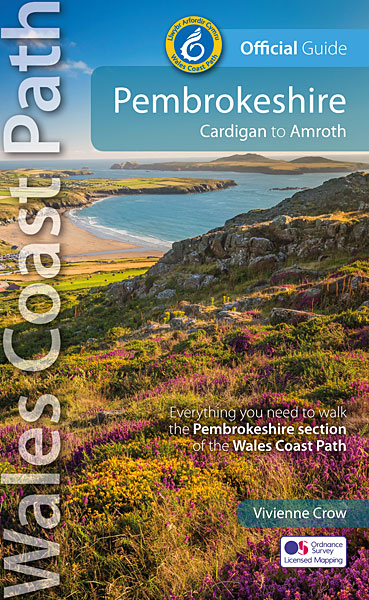
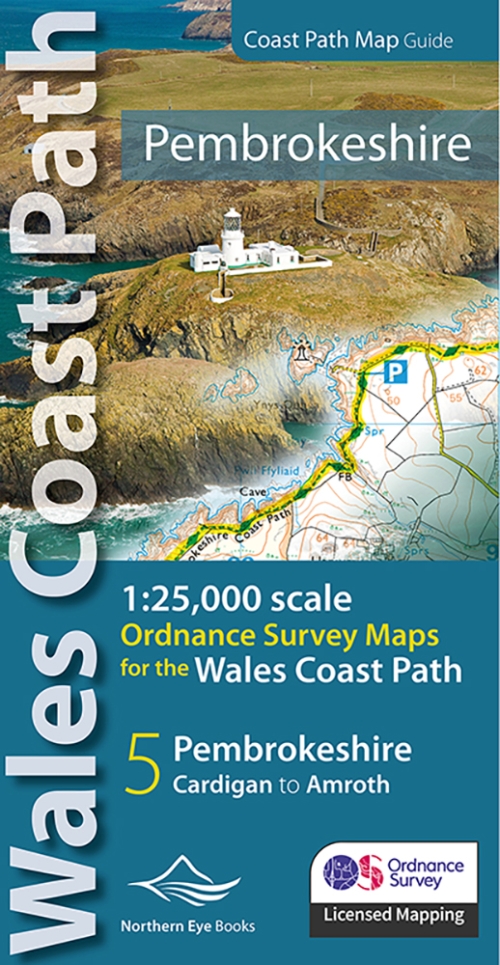
Books and maps for this part of the coast