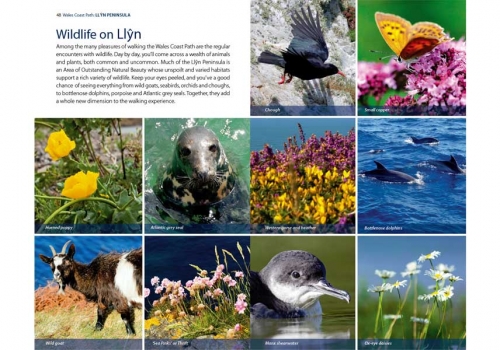
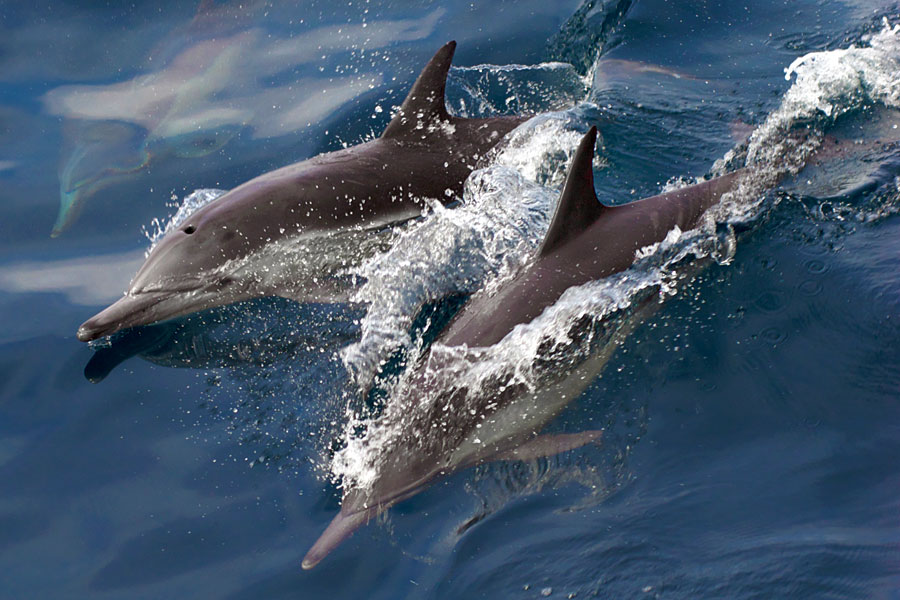
Dolphins, porpoise and whales are often spotted from the Wales Coast Path
Where to see dolphins, porpoise and whales on the Wales Coast Path? Tony Bowerman explores top destinations
Best places to see dolphins in Wales
DOLPHINS, PORPOISE AND, MORE RARELY, WHALES can often be spotted along the Wales Coast Path. Walkers on the path are often rewarded with unexpected sightings. Keep your eyes peeled offshore. The best places to see them are where the small fish they feed on are most likely to concentrate: bays, estuary mouths, narrows between islands, and especially headlands where coastal currents meet.
For recent sightings, start with the Sea Watch Foundation’s ‘Recent Sightings’ pages and sightings map. Its free SeaWatcher app also lets people view and submit reports. If you do spot a cetacean, please report it to Sea Watch Foundation to help build knowledge of Welsh marine wildlife.
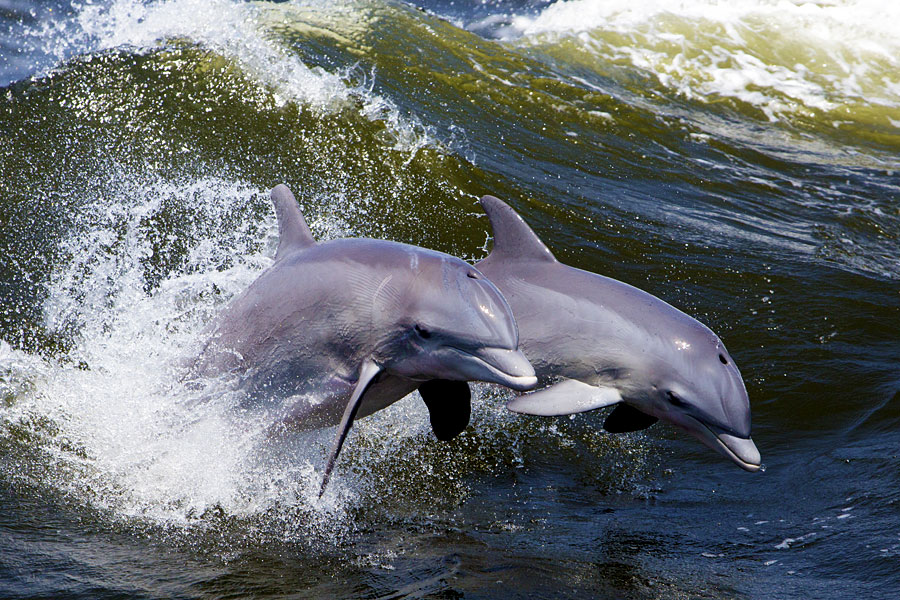
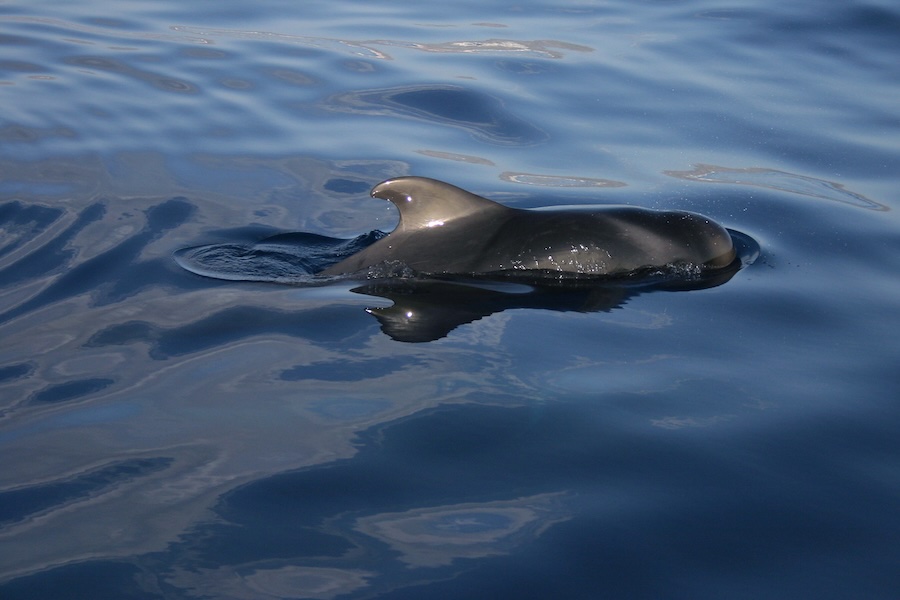
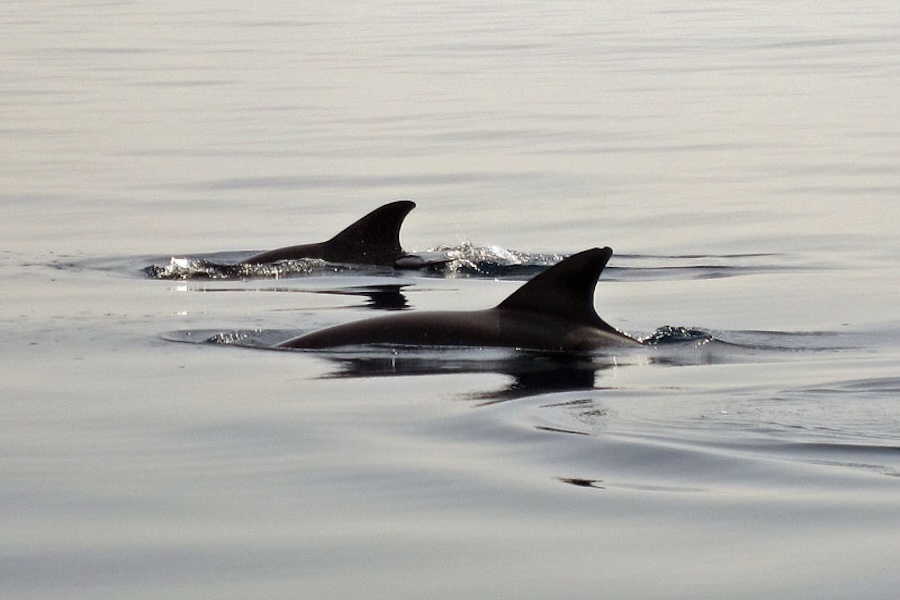
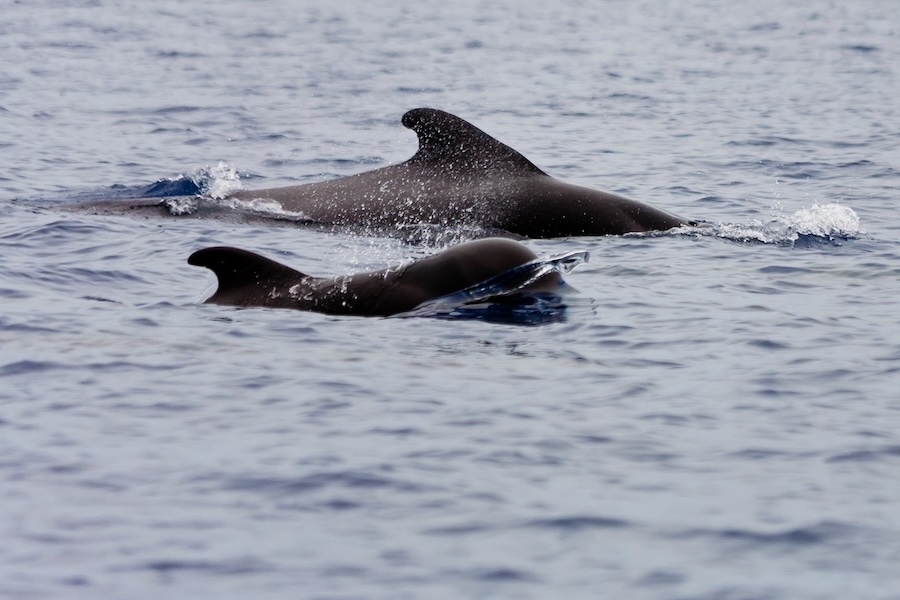
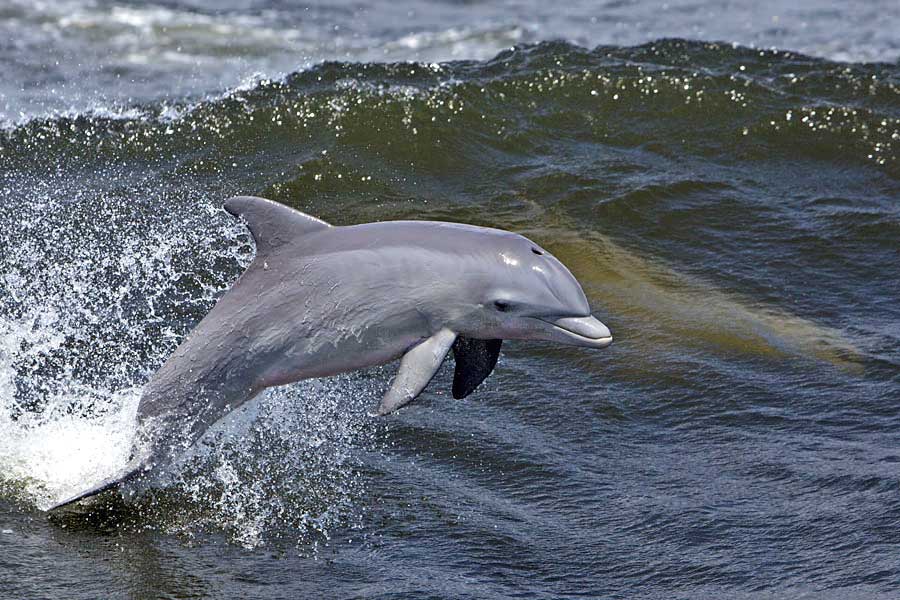
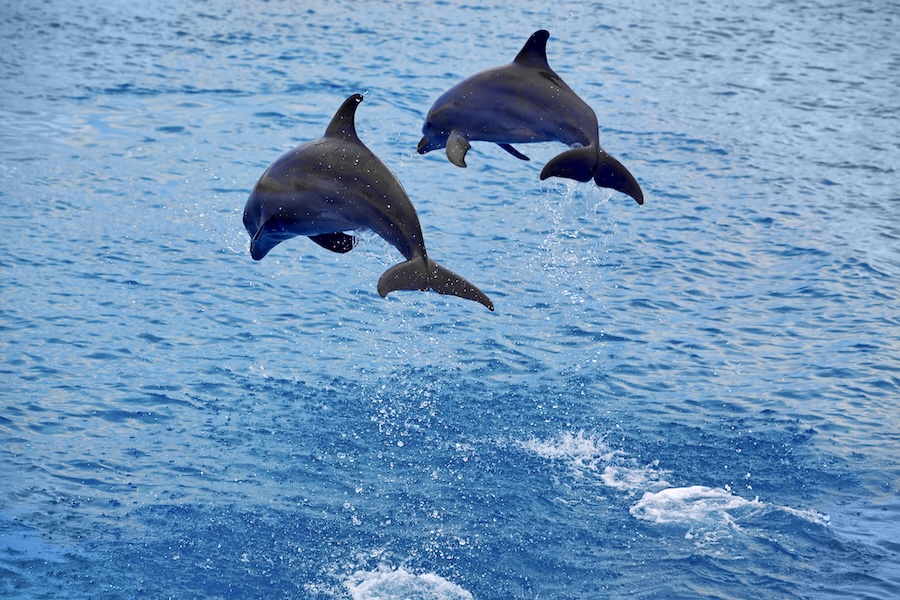
Cardigan Bay dolphins
Your best chance of seeing these lovely marine mammals is to choose a clear, calm day, scan patiently with binoculars, and watch for movements on the sea’s surface. Allow time, too; patience really is the key – sightings are never guaranteed, yet you never know when you’ll get lucky.
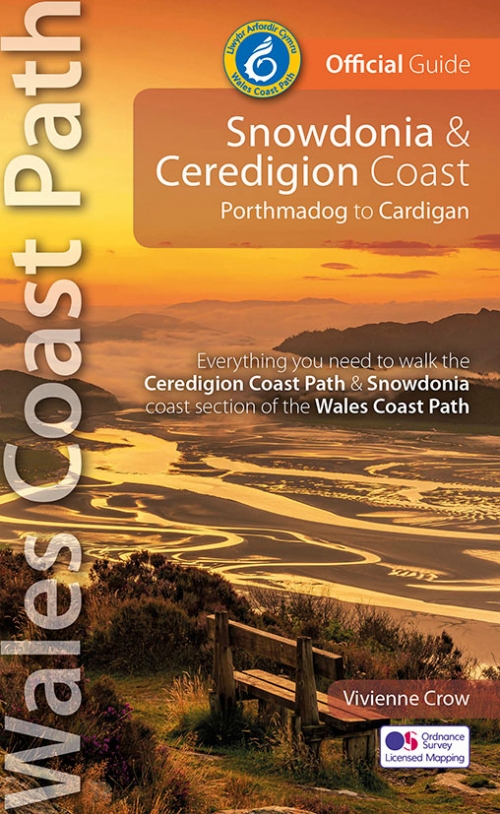
Cardigan Bay is the standout cetacean spotting destination: its resident bottlenose dolphins can be seen year-round, with sightings peaking from June to September. The bay’s fish-rich waters often draw dolphins close to shore, especially around headlands and other feeding areas.
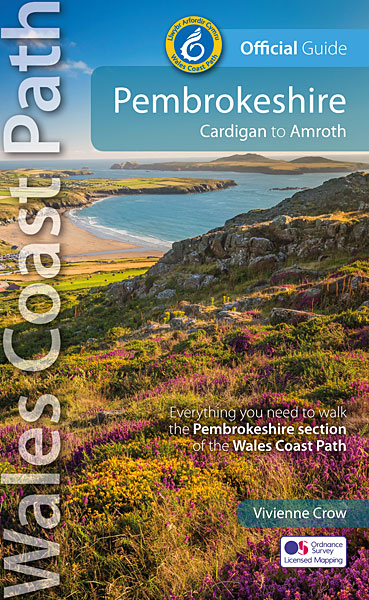
Start at New Quay (Cei Newydd), where dolphins can sometimes be seen from the harbour wall or the nearby Wales Coast Path. For broader views, continue to Aberporth, Mwnt or the headland at Ynys Lochtyn near Llangrannog. These headlands overlook waters where bottlenose dolphins often feed; Mwnt’s hill above the cove is a particularly good place to settle and watch. Cemaes Head and the coast near Cardigan Island also offer sweeping views across the bay.
Cardigan Bay is the standout cetacean spotting destination: its resident bottlenose dolphins can be seen year-round, with sightings peaking from June to September.
Bottlenose dolphins and harbour porpoise
Further north, Aberystwyth can be worth a look in early summer, when dolphins move south towards Cardigan Bay.
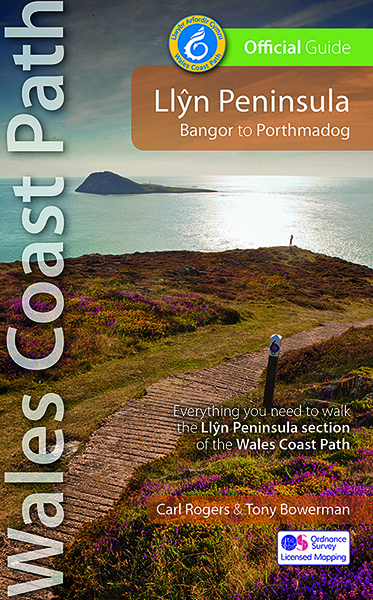
On the Llŷn Peninsula, try Bardsey Sound, St Tudwal’s Islands and the coast near Porth Ceiriad. These waters can bring sightings of bottlenose and Risso’s dolphins; Risso’s are particularly associated with Bardsey and the western Llŷn coast.
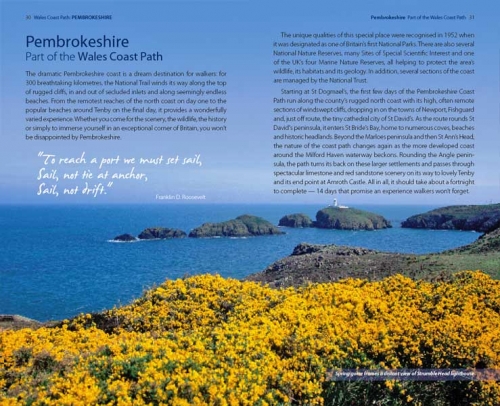
Harbour porpoises are smaller and often harder to spot than dolphins, but they occur around much of Wales. In Pembrokeshire, scan from Strumble Head, St Brides Bay and the coast near Skomer, Skokholm and Ramsey islands. Strumble Head is known for porpoises, sometimes including mothers with calves. Porpoises also occur around Cardigan Bay and the Llŷn and Anglesey coasts. Look for brief, low splashes or small dorsal fins, especially near headlands, sandbanks and tidal waters where prey gathers.
Whales are much less predictable. Minke whales are recorded offshore in the Irish Sea and St George’s Channel, most often from May to October; fin whales are also occasional visitors, mainly offshore in summer and autumn. Pembrokeshire’s Pencaer and Strumble Head are noted sea-watching spots, with minke, fin and humpback whales recorded in the wider area.

Tony Bowerman
This article was written by Tony Bowerman, and appears here for the first time. (C) Copyright Tony Bowerman 2026. All rights reserved.
Tony Bowerman is a director of Northern Eye Books Ltd, and loves nature and the outdoors. At one time he contributed articles to several national newspapers and magazines. He later worked as an ‘interpretation consultant’ for clients such as the National Trust, Welsh Water, County Councils and Wildlife Trusts. He is a member of the Outdoor Writers and Photographers Guild.
Contact: tony@northerneyebooks.co.uk
Books and maps for this part of the coast